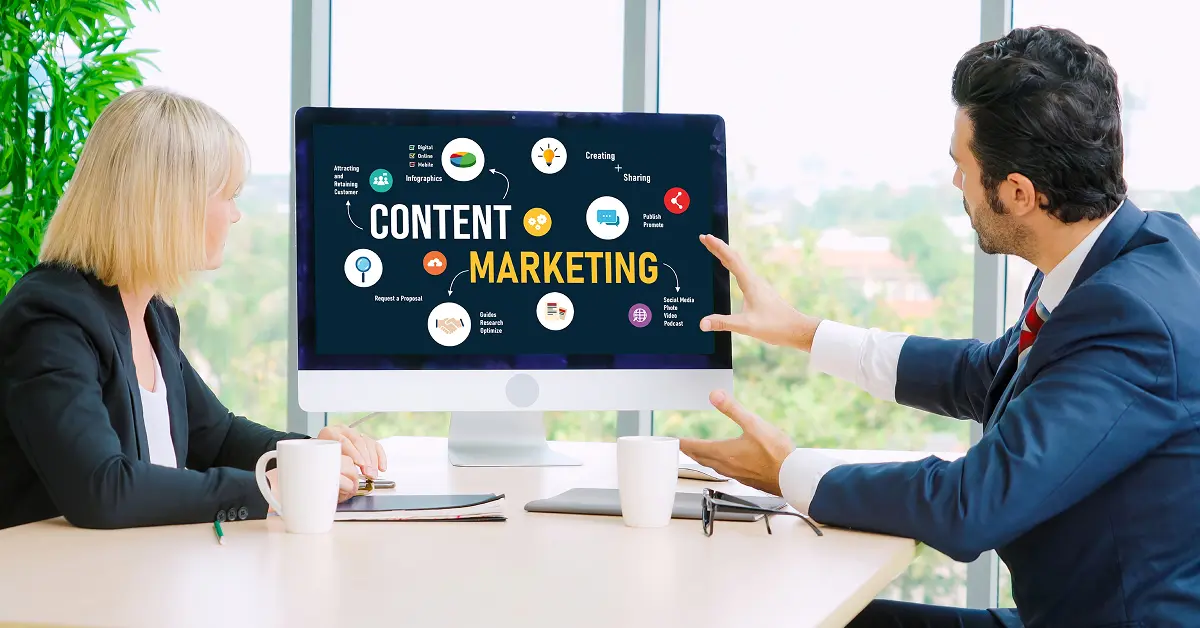
Looking to start digital marketing but don’t know where to begin? Learn practical steps, essential skills, and tools to launch your digital marketing journey successfully.
Digital marketing has become one of the most essential strategies for businesses of all sizes to connect with their audience, grow their brand, and increase sales. Whether you're a complete beginner or someone looking to shift your career towards digital marketing, getting started can feel overwhelming due to the variety of channels, tools, and techniques involved. But don’t worry — starting digital marketing is easier than it seems if you take it step-by-step.
In this blog post, we’ll guide you through everything you need to know to begin your journey in digital marketing, including foundational concepts, key skills to learn, practical tools, and strategies to get your first campaigns running.
What is Digital Marketing?
Digital marketing refers to the practice of promoting products or services using online channels such as search engines, social media, email, websites, and mobile apps. Unlike traditional marketing, digital marketing offers real-time data and targeting capabilities that enable businesses to reach specific audiences more effectively and measure results instantly.
Some of the most popular digital marketing channels include:
Search Engine Optimization (SEO)
Pay-Per-Click Advertising (PPC)
Social Media Marketing
Content Marketing
Email Marketing
Affiliate Marketing
Influencer Marketing
Step 1: Understand the Basics of Digital Marketing
Before diving into tactics, it’s important to understand the basic digital marketing concepts:
Inbound vs. Outbound Marketing: Inbound attracts customers with valuable content, while outbound pushes messages directly (like ads).
Customer Journey: Know the stages your potential customer goes through — awareness, consideration, decision.
Marketing Funnel: A model showing how to turn visitors into leads and then into customers.
Analytics: Tracking performance using tools like Google Analytics to understand what works.
You can start by reading beginner-friendly blogs, watching videos, or enrolling in free courses from platforms like HubSpot Academy, Google Digital Garage, or Coursera.
Step 2: Choose Your Digital Marketing Specialization
Digital marketing is broad, so it’s helpful to focus on one or two areas initially. Common specializations include:
SEO: Optimizing websites to rank higher in search engines.
PPC: Running paid ads on Google, Facebook, etc.
Content Marketing: Creating valuable blog posts, videos, or infographics.
Social Media Marketing: Growing and engaging an audience on platforms like Instagram, LinkedIn, and Twitter.
Email Marketing: Building mailing lists and sending newsletters or promotions.
Analytics & Data: Using data to make marketing decisions.
Your choice can depend on your interests, skills, and career goals. For example, if you enjoy writing and storytelling, content marketing or social media might be good fits.
Step 3: Learn Essential Skills and Tools
Once you decide your focus, start learning the key skills and tools related to that area. Some foundational skills across digital marketing include:
Basic HTML/CSS: Understanding how websites work.
Copywriting: Writing persuasive content.
Graphic Design Basics: Creating simple visuals using tools like Canva.
Data Analysis: Interpreting marketing data and metrics.
Communication: Working effectively with teams or clients.
Tools to explore:
Google Analytics: Website traffic analysis.
Google Ads: For PPC campaigns.
SEMrush / Ahrefs / Moz: SEO research.
Mailchimp / ConvertKit: Email marketing.
Hootsuite / Buffer: Social media management.
Canva: Design tool for marketers.
Step 4: Build Your Own Website or Blog
One of the best ways to learn digital marketing is by practicing. Create your own website or blog where you can test SEO techniques, content marketing strategies, and run campaigns. Platforms like WordPress, Wix, or Squarespace make it easy to build a site without coding knowledge.
Your website will also serve as a portfolio to showcase your skills to potential employers or clients.
Step 5: Practice with Real Projects
To gain experience, start working on small projects. These could be:
Helping a local business with their social media.
Running a small PPC ad campaign with a limited budget.
Writing blog posts optimized for SEO.
Building and sending email newsletters.
You can find freelance gigs on websites like Fiverr, Upwork, or Freelancer to build your portfolio. Volunteering or internships are also excellent ways to get hands-on experience.
Step 6: Stay Updated with Trends and Best Practices
Digital marketing changes rapidly. New algorithms, tools, and consumer behaviors mean that marketers must constantly learn. Follow industry blogs like Neil Patel, Moz, and Social Media Examiner, subscribe to newsletters, and participate in webinars or online communities.
Step 7: Network and Learn from Others
Join digital marketing communities on LinkedIn, Facebook, or Reddit. Attend local meetups or conferences when possible. Networking can open doors to job opportunities and help you stay motivated.
Step 8: Measure Your Results and Optimize
One of digital marketing’s greatest advantages is its measurability. Always track your campaign results — website traffic, conversion rates, click-through rates, etc. Use this data to improve your strategies continuously.
Common Challenges When Starting Digital Marketing
Information Overload: Focus on one specialization at a time.
Patience: Digital marketing results often take weeks or months.
Keeping Up with Change: Make learning a habit.
Final Thoughts: Your Digital Marketing Journey Starts Today
Starting digital marketing is accessible to anyone willing to learn and experiment. By understanding the basics, choosing a specialization, practicing with real projects, and staying curious, you’ll build valuable skills that open career opportunities or help grow your business.
If you’re eager to dive in right now, begin with free online courses or launch your own blog. The more you practice, the more confident and proficient you’ll become.
If you want, I can also help you find resources or create a personalized learning plan to get started faster. Just ask!